Schedule a consultation with an experienced Rochester, MI special needs planning lawyer.
If you care for a loved one with a disability in Rochester, providing for their future takes careful legal planning. A standard will is rarely enough on its own. Our Rochester, MI special needs planning lawyer can help you protect your loved one’s future without putting their public benefits at risk. Gudeman & Associates, P.C. has guided Michigan families through estate and disability planning for decades. Contact us to schedule a no-obligation consultation.
Special Needs Planning Lawyer Rochester, MI
Special needs planning is the work of arranging finances, legal authority, and care for a person with a disability so they stay supported throughout their life. A special needs planning attorney builds the documents that make that possible. The goal is to provide for someone without disqualifying them from need-based programs like Medicaid and Supplemental Security Income.
Most public benefits carry strict income and asset limits. A well-meaning gift or an inheritance can push a disabled beneficiary over those limits and cost them coverage. We structure plans that supplement those benefits instead of replacing them. That way your loved one keeps both the support they rely on and the resources you want them to have.
Types of Special Needs Planning Cases We Handle in Rochester
No two families come to us with the same situation. The right plan depends on the nature of the disability, the assets involved, and who will step in to help over time. These are the matters we handle most often for Rochester families.
- Special needs trusts. A properly drafted trust lets a disabled beneficiary receive support while keeping access to Medicaid and SSI. These trusts come in two forms, first-party and third-party, each with its own funding and payback rules. We draft both.
- Trust administration. Once a trust is funded, someone has to manage distributions the right way. A single mistaken payment can reduce a beneficiary’s benefits or create an overpayment to untangle later. We advise trustees on staying within the rules.
- Guardianship. When a disabled child turns 18, parents lose the legal authority to make decisions for them. Guardianship restores that authority through the probate court. We prepare and file the petitions Michigan requires and walk families through the hearing.
- Conservatorship. A conservator manages money and property for someone who can’t handle it alone. It often runs alongside a guardianship, though not always. We help families decide whether one or both make sense.
- ABLE accounts. These tax-advantaged savings accounts let a disabled person set aside funds for qualified expenses without losing benefits. They pair well with a trust for smaller, everyday costs.
- Powers of attorney and advance directives. Adults with milder disabilities may not need a guardian at all. If they can name a trusted agent, we prepare the documents that let them keep more independence while still having backup.
- Letters of intent. This one isn’t a legal document. It’s a roadmap for future caregivers and trustees that records routines, preferences, and medical history. We help families write one that actually gets used.
Why Choose Gudeman & Associates, P.C. as My Special Needs Planning Lawyer in Rochester, MI?
Decades of Estate and Disability Planning in Michigan
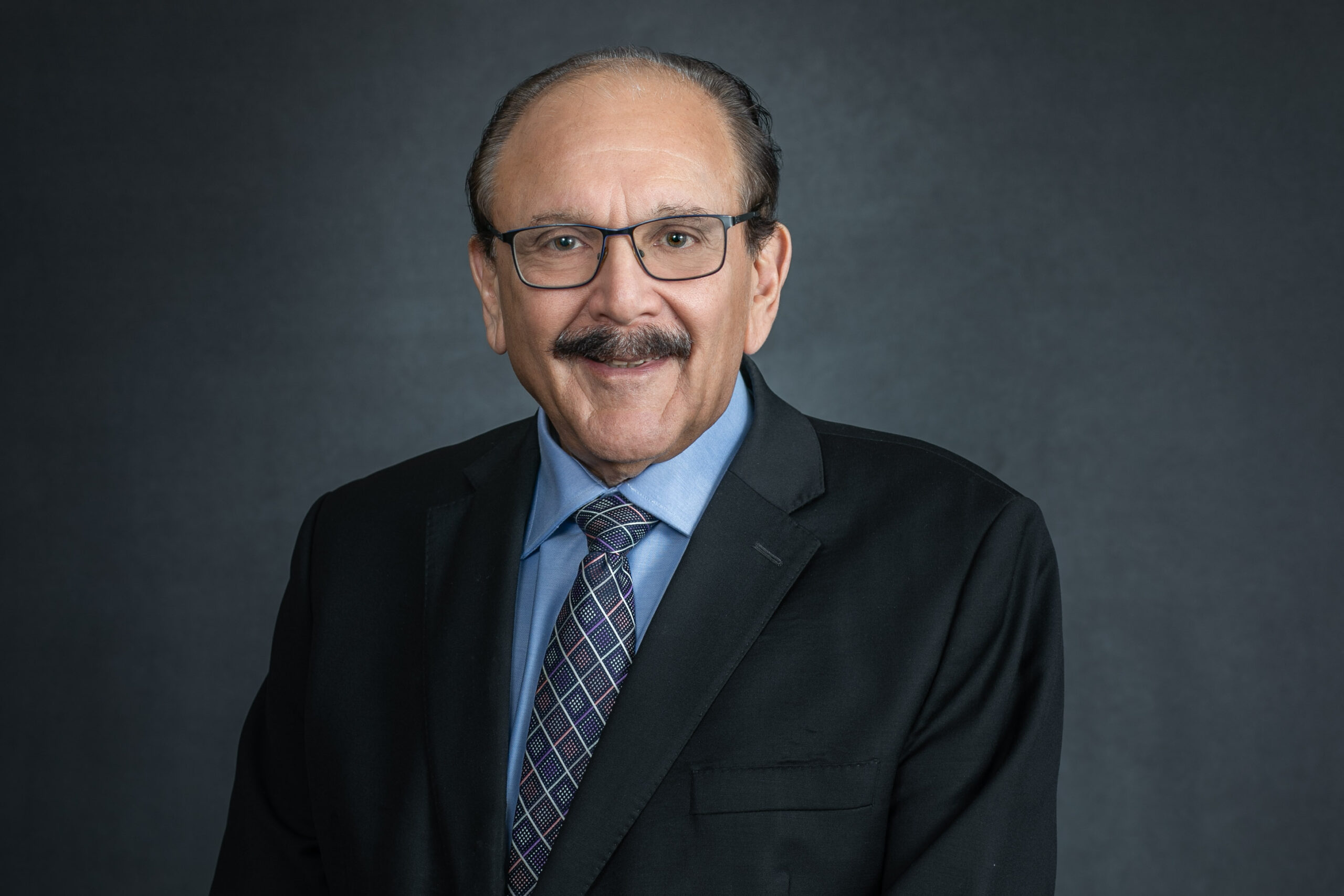
Our firm has practiced estate, tax, and business law in southeastern Michigan since the 1970s. Our founder, Edward J. Gudeman, has been licensed in Michigan since 1973 and brings 53 years of legal practice to the firm’s work. He earned his law degree from the University of Michigan Law school and his undergraduate degree from Miami University in Ohio.
That background runs through tax and estate law, so our estate planning lawyer in Rochester, MI accounts for how a trust is structured and taxed from the very start. We don’t promise outcomes we can’t control. What we offer is steady, plain-spoken guidance from a firm with a long record of helping Michigan families plan.
Understanding Special Needs Planning Cases
Key Special Needs Planning Tools and What They Do
No single document does everything. A working plan usually combines several tools, each with a specific job.
- Special needs trust. Holds assets for a disabled beneficiary without counting toward benefit limits. The first-party and third-party versions follow different funding and payback rules.
- Trustee selection. The person who manages the trust controls whether it actually works. Choosing the right successor trustee matters as much as the trust language itself.
- ABLE account. A tax-advantaged account for qualified disability expenses. Federal IRS ABLE accounts rules let funds grow without affecting most benefits.
- Guardianship or conservatorship. Legal authority to act for an adult who can’t act for themselves. The line between guardianship and conservatorship turns on whether the need is personal, financial, or both.
- Benefit coordination. A plan has to account for SSI trust rules and Medicaid limits so the support you set up doesn’t quietly trigger a loss of coverage.
What Are Important Aspects of a Special Needs Planning Case?
A few details separate an estate plan that holds up from one that creates problems later.
- Funding the trust. An unfunded trust protects no one. Assets have to be retitled or directed into it.
- Avoiding disqualifying gifts. Relatives sometimes leave money straight to a disabled person out of love. That gift can end benefits overnight, which is where coordinating Medicaid planning across the whole family pays off.
- Naming the right people. Trustees, guardians, and agents under powers of attorney carry real legal duties. The choice matters.
- Keeping the plan current. A change in the disability, the law, or the family can all call for an update.
What Is the Special Needs Planning Case Timeline?
Every plan moves at its own pace. But most follow a similar timeframe.
- An initial meeting to understand the disability, the benefits involved, and your goals
- A review of assets, current benefits, and any documents already in place
- Drafting of the trust and supporting documents, usually within a few weeks
- A review period to adjust language and answer your questions
- Signing, then funding the trust and updating beneficiary designations
What Should You Bring to Your Special Needs Planning Consultation?
You don’t need everything in order. Bring what you have, and we’ll sort through the rest together.
- A general list of assets, including anything you’d want to leave to your loved one
- Information about the disability and any current Medicaid, SSI, or other benefits
- Names of the people you’re considering as trustee, guardian, or conservator
- Any existing estate planning or guardianship documents
The first meeting is about getting a clear picture. You’ll leave knowing what a plan would involve for your family, with no pressure to decide anything on the spot.
Michigan Legal Resources for Special Needs Planning
Michigan families can research disability and benefit programs through several public resources. These point you toward the rules. They don’t replace advice on your own circumstances, and the listings below are for general information rather than endorsements.
- The Oakland County Probate Court handles guardianship petitions for residents of Rochester and the surrounding area.
- The Michigan court forms library publishes the official estate, trust, and guardianship documents.
- The Michigan Medicaid program explains the eligibility rules that shape benefit-based planning.
- The ABLE resource center offers plain-language guidance on disability savings accounts.
Reach Out to Gudeman & Associates, P.C. to Schedule a Consultation
Planning for a loved one with a disability is not something you have to figure out alone. Our Rochester special needs planning attorneys can walk you through the options and build a plan that fits your family. Contact us to schedule a no-obligation consultation. We’ll listen first, explain what we’d recommend, and let you decide from there.