Trusted estate planning attorneys serving Rochester, MI and surrounding Oakland County communities for over 45 years.
If you own property, have children, or have any opinion about what happens to your affairs when you’re gone or if you become incapacitated, you have reasons to plan. Your Rochester, MI estate planning lawyer can walk you through the process clearly, and build documents that hold up when they’re needed. We’ve worked with Michigan families across all kinds of situations for over four decades. Contact us to schedule a consultation.
Estate Planning Attorney Rochester, MI
Estate planning is the process of making decisions now so that others don’t have to make them for you later. It determines who receives your property, who manages your finances if you can’t, who speaks for you medically during incapacity, and how your estate is handled after you pass.
Without a plan, Michigan law steps in and makes those decisions by default. The results are often time-consuming, costly, and may not reflect what you would have wanted. A Rochester estate planning attorney helps you get ahead of that by putting the right documents in place before they’re needed.
Types of Estate Planning Cases We Handle in Rochester
Every family’s situation is different, and the right plan depends on what you own, who you want to provide for, and what concerns you most.
- Wills. A will directs how your probate estate is distributed and names a personal representative to carry out your instructions. For parents, it also designates a guardian for minor children. Michigan’s intestacy laws control what happens if you die without one, and those rules may not match your wishes.
- Revocable living trusts. A revocable living trust holds assets during your lifetime and transfers them to your beneficiaries outside of probate after your death. You remain in control as trustee while you’re alive and capable. We work with revocable trusts and other arrangements depending on your circumstances.
- Powers of attorney. A durable power of attorney authorizes someone to manage your financial affairs if you become incapacitated. Without one, your family may have no legal authority to act on your behalf without going to court. We also prepare health care powers of attorney naming someone to make medical decisions when you cannot.
- Living wills. A living will documents your preferences for end-of-life medical treatment. It removes the burden of those decisions from your family and gives your medical providers clear direction.
- Special needs planning. For families with a disabled loved one, planning requires extra care. Assets must be structured to provide financial support without disqualifying the beneficiary from government benefits. A properly drafted special needs trust accomplishes both.
- Family LLC planning. Business owners and individuals with significant assets often benefit from entity-level structuring as part of their estate plan. We advise on family LLC arrangements that can help protect and transfer assets within the bounds of Michigan law.
- Medicaid planning. Long-term care costs can exhaust a lifetime of savings faster than most families expect. We help older Michigan residents think through Medicaid eligibility and asset structuring well before a health crisis makes it urgent.
- Probate and estate administration. Settling a loved one’s estate involves legal filings, creditor notifications, asset transfers, and court oversight in some cases. We assist personal representatives and trustees through Michigan’s probate process from start to finish.
Why Choose Gudeman & Associates, P.C. for Estate Planning in Rochester?
Edward J. Gudeman’s Background and Admissions
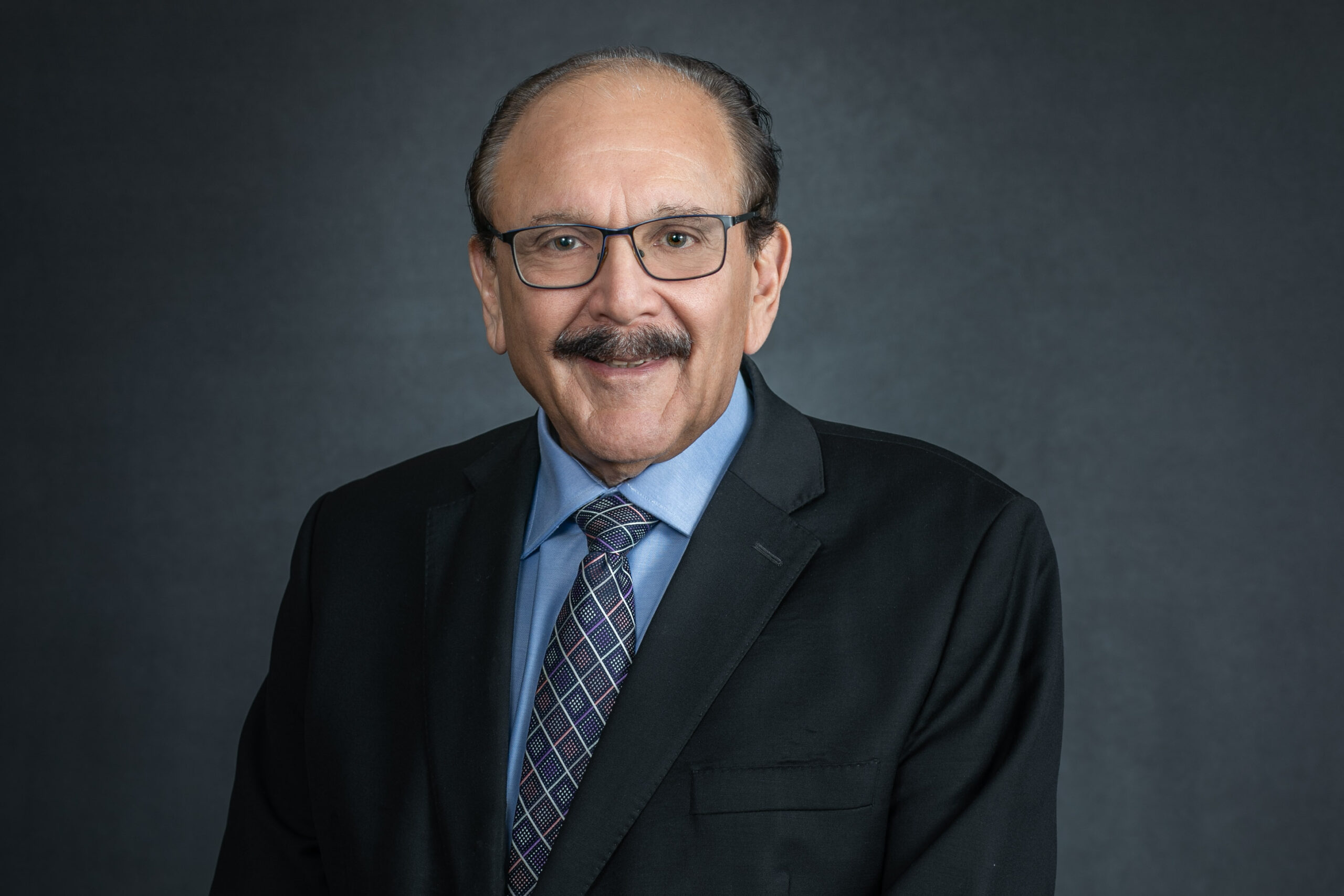
Edward J. Gudeman is the founder and managing attorney of Gudeman & Associates, P.C. He graduated from the University of Michigan Law School in 1971 and has been licensed to practice in Michigan since 1973. His bar admissions include the United States Tax Court and the U.S. Supreme Court, reflecting the breadth of a practice that has always been grounded in estate planning, taxation, and business law. Before opening his own firm, he spent time in the tax department at Arthur Andersen in Detroit.
Rochester residents looking for an estate planning lawyer in Rochester benefit from that combination of disciplines. The tax implications of how you title assets, structure a trust, or designate beneficiaries are real, and they matter. We factor those in from the start rather than leaving them for someone else to sort out later.
Decades of Service to Michigan Families
Mr. Gudeman has been a member of the State Bar of Michigan since 1973. He graduated from Miami University in Oxford, Ohio in 1968 and is the proud father of three children, including a set of twins. Gudeman & Associates, P.C. is recognized in the Super Lawyers directory and has worked with thousands of individuals and families across southeastern Michigan over the course of more than four decades.
What Our Clients Say
“Our experience at Gudeman & Associates was the best. Mr. Gudeman, Jessica, Jon & Samantha were always available to assist with any questions or concerns we had. A very ‘Client friendly’ atmosphere. We highly recommend them.” — Linda Erwin
Read more reviews on our Google Business Profile
Understanding Estate Planning in Rochester
Key Estate Planning Documents and What They Do
No single document covers everything. A complete plan typically involves several working together, each serving a distinct function.
- Last will and testament. Governs the distribution of your probate estate and names a personal representative.
- Revocable living trust. Holds and transfers assets outside of probate. You serve as trustee during your lifetime and designate a successor to step in when needed.
- Durable power of attorney. Gives an agent authority to handle financial matters on your behalf. The durable designation means it remains effective even if you lose capacity.
- Health care power of attorney. Designates a patient advocate to make medical decisions when you cannot participate in them yourself.
- Patient advocate designation / living will. Specifies your wishes regarding life-sustaining treatment and end-of-life care so that your medical providers and family have clear guidance.
- Beneficiary designations. Retirement accounts, life insurance policies, and certain bank accounts transfer directly to named beneficiaries regardless of what your will says. Outdated designations are one of the most common sources of unintended outcomes in estate administration.
Important Aspects of Your Estate Plan
The documents are the foundation. Several additional considerations affect whether a plan functions as intended.
- Trust funding. A revocable living trust only controls assets that have been properly transferred into it. An unfunded or partially funded trust may leave your family navigating the probate process you were trying to avoid.
- Beneficiary coordination. Retirement accounts and life insurance bypass your will entirely. If the named beneficiaries are outdated, those designations control regardless of your other planning.
- Keeping the plan current. Marriage, divorce, the birth or death of a family member, a move to another state, or a significant change in assets can all affect whether your plan still reflects your intentions.
- Choosing fiduciaries carefully. Your personal representative, trustee, and power of attorney agent carry genuine legal obligations. The people you name matter as much as the documents themselves.
Estate Planning Timeline
The time required varies, but most clients move through the following general stages.
- Initial consultation to discuss goals, family circumstances, assets, and specific concerns
- Information gathering, including an asset inventory, beneficiary decisions, and fiduciary selections
- Draft documents prepared and delivered for your review, typically within a few weeks
- Review and revision period to address corrections, questions, or changes
- Signing appointment conducted in accordance with Michigan’s execution requirements
- Follow-up steps including trust funding and beneficiary designation updates
Straightforward plans typically take four to eight weeks from start to finish. More complex situations involving business interests, blended families, or special needs planning generally take longer.
What to Bring to Your Estate Planning Consultation
You don’t need everything perfectly organized. Bring what you have and we’ll work through the rest together.
- A general list of assets including real property, bank and investment accounts, retirement accounts, life insurance policies, and any business interests
- Names and contact information for individuals you’re considering as personal representative, trustee, or power of attorney agent
- Names and ages of beneficiaries, particularly minor children
- Any existing estate planning documents currently in place
- Specific questions or concerns, such as a blended family situation, a child with special needs, or a family business
The first meeting is about understanding your situation. We’ll give you a clear picture of what a plan would look like for you specifically.
Michigan Legal Resources for Estate Planning
Michigan residents have access to several resources for researching estate planning law and processes.
- Michigan Probate Court Forms: Official estate and trust forms from the Michigan Supreme Court Administrative Office.
- Michigan Medicaid: Information on Medicaid eligibility and long-term care planning resources for Michigan residents.
- Michigan Advance Directive Resources: State guidance on health care powers of attorney, living wills, and patient advocate designations.
- U.S. Department of Labor — Retirement Plans: Federal guidance on retirement plan beneficiary designations relevant to coordinating estate plans with 401(k) and pension accounts.
- Social Security Administration — Benefits Planners: Resources on Social Security survivor benefits and retirement planning considerations.
Schedule a Consultation With Gudeman & Associates, P.C.
Gudeman & Associates, P.C. has helped Rochester families and individuals throughout Oakland County put solid estate plans in place for over 45 years. Contact our office to schedule a consultation with a Rochester estate planning attorney.