
Your Dedicated Bankruptcy Attorney
If you are considering filing for bankruptcy, our Warren, MI bankruptcy lawyer can help you understand your options and guide you to the best choice for your unique situation. Our attorneys have experience assisting consumers with Chapter 7, 11, and 13 bankruptcy. Our knowledge can help you make an informed decision when deciding if bankruptcy is the right step for you to take and, if so, which type of bankruptcy makes the most sense for your financial situation.
With over 100 years of combined experience assisting clients across the Southeast Michigan community, our attorneys are well-equipped to assist you with your case. We pride ourselves on providing dedicated, personalized, and compassionate service to members of our Michigan community as we strive to help them protect their financial health and understand the options that are in front of them. To schedule your no-obligation consultation with one of our attorneys, contact our team at Gudeman & Associates, P.C. today.
Understanding Bankruptcy
When determining if you should file for bankruptcy, it is important to take the time to understand the various types of consumer bankruptcy and which one might be the right one for you. Our Warren bankruptcy attorney can provide counsel on the nuances of Chapter 7, 11, and 13 bankruptcy so that you can make an informed decision about your financial future.
Chapter 7 bankruptcy is also known as “liquidation bankruptcy,” and is a form of bankruptcy meant for those who cannot repay their debt to creditors. If you are struggling with credit card debt, medical debt, or some other form of debt and are hoping to eliminate your debt quickly, Chapter 7 may be right for you. Filing for Chapter 7 does require a means test, but if you are eligible it can be a good option to prevent foreclosure or repossession.
Chapter 11 bankruptcy is used by businesses to restructure debts and assets. This type of bankruptcy is available to individuals as well, but is often utilized by businesses to continue operations while restructuring their finances and determining a payment plan.
Chapter 13 bankruptcy is a form of “reorganization” bankruptcy that leads to the repayment of debts through a payment plan. If you have enough stable income to manage a three to five year repayment plan, this type of bankruptcy is a viable option to protect your assets while you repay your debts. Our Michigan bankruptcy lawyer can help you draft a payment plan that makes sense for your financial situation and your needs.
The Importance Of Legal Counsel
When considering an undertaking as consequential as filing for bankruptcy, having knowledgeable and experienced counsel on your side is invaluable. Our team will help you make informed decisions and take the right steps to protect your financial future. If you believe that filing for bankruptcy is the right step for you to take, do not hesitate to seek our assistance. Contact our team at Gudeman & Associates, P.C. today to schedule a consultation and discover how we can assist you with your case.
Credit Score Impact From Filing For Bankruptcy
Bankruptcy can tank your credit score – but a Warren, MI bankruptcy lawyer can help you through your next steps. At Gudeman & Associates, P.C., we’ve helped thousands of clients protect their assets and find financial stability in Southeast Michigan. Now, it’s our turn to help you. Read on to learn more about how bankruptcy can affect your finances.
Immediate Impact On Credit Score
When you file for bankruptcy, it is recorded immediately on your credit report and will result in a substantial decrease in your credit score. This drop is due to creditors viewing bankruptcy as evidence of risk in your ability to repay debts. The exact impact varies depending on your credit score before bankruptcy; individuals with higher scores may see a more significant drop compared to those with already lower scores.
Duration Of The Credit Impact
Bankruptcy does not affect your credit forever. The length of time it remains on your credit report depends on the type of bankruptcy filed. Your Warren, MI bankruptcy lawyer can help you decide which path is best for you:
Chapter 7 Bankruptcy: This type of bankruptcy, which involves the liquidation of assets to pay off debts, will typically stay on your credit report for up to 10 years from the filing date.
Chapter 13 Bankruptcy: This form allows for debt reorganization and establishes a plan to repay debts within 3-5 years. It remains on your credit report for up to 7 years.
Rebuilding Credit After Bankruptcy
Although bankruptcy can severely lower your credit score, it also offers a clean slate to start rebuilding your financial health. Here are a few strategies to consider:
Consistent Payments: If you have debts that were not discharged in bankruptcy, such as student loans or a mortgage, continuing to make timely payments on these can help rebuild your credit.
Secured Credit Cards: After bankruptcy, obtaining traditional credit cards can be challenging. A secured credit card, where you deposit money upfront as security, can be a good starting point to demonstrate creditworthiness.
Credit Builder Loans: These loans are held by the lender in a bank account while you make payments, building credit as you go. The lender releases the money to you once the loan term is complete.
Long-Term Financial Planning
Bankruptcy provides an opportunity to reset your financial habits. Developing a budget that includes saving for emergencies can prevent the need for future debt accumulation. Additionally, regularly checking your credit report for inaccuracies and outdated information can help you maintain your financial reputation.
The Path To Recovery
Filing for bankruptcy is often perceived as a setback, but with the right strategies, it can be a pivotal step towards financial stability. It is important to approach recovery with a plan that includes both budgeting and the strategic use of credit.
How We Can Help
At Gudeman & Associates, P.C., we understand that deciding to file for bankruptcy is not easy. That’s why we’re here to help. Contact us today, and see how a Warren bankruptcy lawyer from our office can help.
Types Of Warren Bankruptcy Cases We Handle

Bankruptcy covers a lot of ground, and no two financial situations look exactly alike. Some folks are buried in credit card debt with no way out, others are about to lose their house, and plenty are dealing with creditors who won’t let up for a second. Our Warren bankruptcy lawyer has helped people and businesses across Southeast Michigan navigate every kind of bankruptcy situation. Here’s a look at the cases we see come through most often.
Chapter 7 Personal Bankruptcy
Chapter 7 is what most people picture when they think about bankruptcy. It wipes out unsecured debts like credit cards and medical bills relatively quickly, usually in three to six months, as long as you pass the means test to qualify.
Chapter 13 Reorganization
When someone wants to keep their house or car but can’t afford to catch up on missed payments all at once, Chapter 13 creates a three- to five-year plan to get back on track. A knowledgeable Warren bankruptcy lawyer can help you build a repayment plan that actually works with your budget.
Chapter 11 Business Bankruptcy
Businesses that want to keep operating while restructuring their debts often turn to Chapter 11. This lets the company keep the doors open, renegotiate with creditors, and come out the other side with a realistic financial plan.
Stopping Foreclosure
If a foreclosure sale is looming, filing bankruptcy triggers an automatic stay that stops it cold. We help homeowners use Chapter 13 to catch up on missed mortgage payments over time without losing their homes.
Stopping Vehicle Repossession
Missed car payments can lead to repossession faster than most people expect. Bankruptcy can pause the process, and in some cases, Chapter 13 allows you to catch up on what’s owed while keeping your vehicle.
Dealing With Wage Garnishment
Once your paycheck is being garnished, it’s hard to keep up with anything else. Filing bankruptcy typically halts wage garnishment immediately, giving you breathing room to figure out a real solution.
Credit Card Debt Relief
Credit card balances are some of the easiest debts to discharge in bankruptcy. Whether through Chapter 7 or as part of a Chapter 13 plan, bankruptcy can wipe out credit card debt entirely or significantly reduce it.
Medical Debt Discharge
Big medical bills drive plenty of folks into bankruptcy, especially after a serious illness or accident. Medical debt is generally dischargeable, meaning Chapter 7 can clear it entirely in most cases.
Small Business Bankruptcy
Small business owners often have to deal with personal and business debts tangled together. We help navigate the options, whether that means a personal Chapter 7, a Chapter 13 repayment plan, or a business-focused Chapter 11 filing.
Emergency Filings
Sometimes you don’t have weeks to prepare a bankruptcy filing. When a foreclosure sale or creditor lawsuit is right around the corner, we work fast to get emergency filings ready, so the automatic stay kicks in before it’s too late.
Defending Against Creditor Lawsuits
Once creditors start suing, judgments and collection efforts can snowball. Bankruptcy stops active lawsuits and can wipe out the underlying debts, letting you avoid judgments that would otherwise hang around for years.
Tax Debt In Bankruptcy
Not all tax debt is dischargeable, but older income tax debt can often be. We evaluate each situation to figure out which taxes can be wiped out and which need to be handled through a payment plan.
Repeat Or Second Bankruptcy Filings
If you’ve filed before, you may still be able to file again, but the rules about timing and what you can accomplish depend on which chapter you used last time. We sort out what options are available in your specific situation.
Contact Our Firm For A Consultation
Filing bankruptcy isn’t the end of anything; it’s usually the start of getting back on your feet. Gudeman & Associates, P.C. brings over 100 years of combined legal experience to clients across Southeast Michigan and offers virtual meetings and secure document sharing for folks who can’t always make it into the office. That way, distance isn’t a reason to put off getting the help you need. When you’re ready to talk through your financial situation, reach out to our Warren bankruptcy lawyer to schedule a no-obligation consultation.
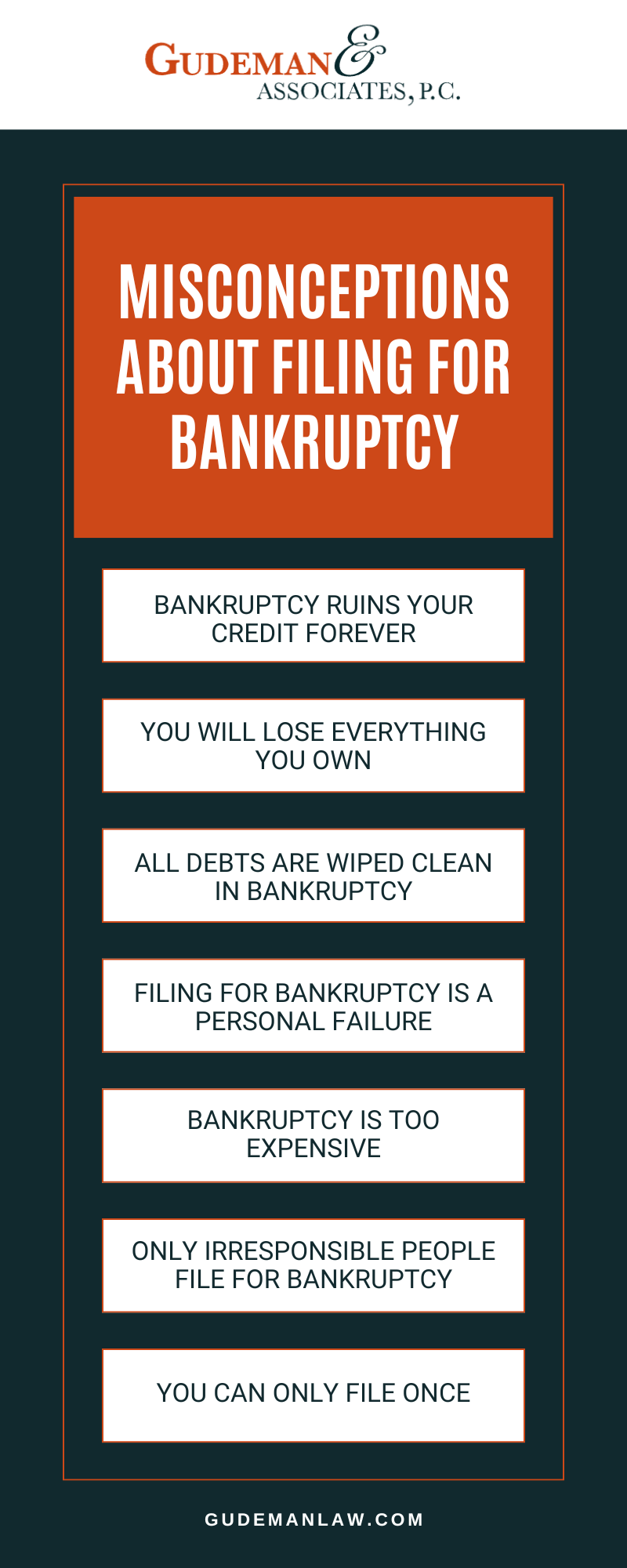
Misconceptions About Filing For Bankruptcy
Bankruptcy can be a daunting word for many, but your Warren, MI bankruptcy lawyer can clear up some common misconceptions. With over 100 years of combined experience – and plenty of experience with bankruptcy, car repossessions, and other financial cases – the team at Gudeman & Associates, P.C. is here to help. Read on to learn more about bankruptcy, and contact us today to get started.
1. Bankruptcy Ruins Your Credit Forever
Many believe that filing for bankruptcy will permanently destroy their credit score. While bankruptcy does impact your credit, it’s not a lifelong mark. Typically, a bankruptcy can remain on your credit report for up to 10 years, but the effect diminishes over time. Many individuals start rebuilding their credit much sooner and can achieve good credit scores within a few years by managing their finances responsibly post-bankruptcy.
2. You Will Lose Everything You Own
There’s a common fear that filing for bankruptcy means losing everything you own. However, bankruptcy laws have exemptions that protect certain types of assets, like your home, car, and personal belongings up to a certain value. The goal is not to strip you of your possessions but to help you manage an impossible financial situation while retaining the essentials needed to maintain a standard of living and work towards recovery.
3. All Debts Are Wiped Clean In Bankruptcy
It’s important to understand that not all debts can be discharged in bankruptcy. Obligations like student loans, most tax debts, alimony, and child support are generally not eliminated. Bankruptcy is better viewed as a tool to manage large burdens of certain types of debt like credit card bills, medical bills, and personal loans.
4. Filing For Bankruptcy Is A Personal Failure
This is perhaps one of the most harmful myths. Bankruptcy is a legal tool intended for those facing unmanageable debt. It’s a structured, legal way to address situations that often arise from unforeseen circumstances such as medical emergencies, unemployment, or economic downturns. It’s not a measure of personal worth or success.
5. Bankruptcy Is Too Expensive
The thought of additional expenses can deter individuals from considering bankruptcy. However, the cost of not filing can sometimes be much higher, considering mounting debt, interest, and penalties. Your Warren, MI bankruptcy lawyer can offer flexible payment options to make the process more accessible to those who need it most.
6. Only Irresponsible People File For Bankruptcy
This couldn’t be further from the truth. Anyone can find themselves facing financial difficulties—often as a result of situations beyond their control. Filing for bankruptcy is a responsible step towards regaining financial stability when other options have been exhausted.
7. You Can Only File Once
While it’s true that there are time limits on how frequently you can file for bankruptcy, it is possible to do so more than once if necessary. The type of bankruptcy you filed previously and when you filed are factors in determining eligibility for future filings.
We’re Here To Guide You
If you’re considering bankruptcy or just need to explore your options, we’re here to help. Understanding your rights and the legal tools available can offer peace of mind and a path forward during difficult times. Contact us at Gudeman & Associates, P.C. today, and see how a Warren bankruptcy lawyer from our office can help.
Different Bankruptcy Services We Offer
 Every financial situation is different. Some people need help addressing large credit card balances, while others are dealing with foreclosure threats, lawsuits, or income changes that make it difficult to keep up with bills. Bankruptcy is not the right solution for everyone, but in many cases it can provide a path toward financial relief and a chance to rebuild.
Our Warren bankruptcy lawyer works with individuals, families, and businesses across Southeast Michigan who are dealing with serious financial challenges. Here are some of the services we offer and what situations they can apply to:
Chapter 7 Bankruptcy
Chapter 7 bankruptcy is often used by individuals who have significant unsecured debt and limited ability to repay it. This type of bankruptcy may allow certain debts, such as credit card balances and medical bills, to be discharged after the case is completed.
When we work with you on a Chapter 7 case, we start by reviewing your income, expenses, and financial obligations. This helps determine whether you qualify under the bankruptcy means test. If Chapter 7 appears to be an appropriate option, we help prepare the required documents and guide you through each stage of the filing process.
Many people consider Chapter 7 when they want to eliminate unsecured debt and move forward without the burden of past balances.
Chapter 13 Bankruptcy
For some individuals, Chapter 13 bankruptcy may be a better fit. Chapter 13 involves a repayment plan that usually lasts three to five years. During this time, you make structured payments toward certain debts while maintaining current obligations.
This option may be helpful if you want to catch up on missed mortgage payments or protect property that might otherwise be at risk. The repayment plan is based on your income and reasonable living expenses.
Consulting with our Warren bankruptcy lawyers allows you to review whether a Chapter 13 plan may help you address overdue payments while keeping important assets such as your home or vehicle.
Emergency Filings
Financial situations sometimes reach a point where immediate action is required. You may be facing a foreclosure sale, wage garnishment, or a lawsuit from a creditor. In these cases, an emergency bankruptcy filing may provide temporary relief.
When a bankruptcy case is filed, an automatic stay generally takes effect. This legal protection can stop many collection actions, including creditor calls, lawsuits, and certain types of garnishment.
Our team helps evaluate whether emergency filing may be appropriate and works quickly to prepare the necessary paperwork when time is limited.
Foreclosure And Repossession
Many people turn to bankruptcy when they are at risk of losing important property. Mortgage arrears, car loan defaults, and other financial issues can lead to foreclosure or repossession.
Depending on the circumstances, bankruptcy may stop or delay these actions. Chapter 13 repayment plans, in particular, may allow you to catch up on missed payments over time. In other situations, Chapter 7 may help eliminate unsecured debt so that you can focus on maintaining essential expenses.
Our goal is to review your financial picture and determine whether bankruptcy could help address these types of problems.
Wage Garnishments And Creditor Actions
Aggressive collection efforts are one of the most stressful parts of serious debt. Wage garnishments, bank levies, and repeated creditor calls can make it difficult to keep up with everyday expenses.
Bankruptcy may stop many of these collection activities once a case is filed. This pause can provide time to review your finances and work toward a long term solution.
Explore Your Options For Seeking Financial Stability
At Gudeman & Associates, P.C., we take time to review your circumstances and explain the services that may apply to your situation. If you are struggling with overwhelming debt and want to understand your legal options, contact our Michigan bankruptcy law office today to speak with a member of our team and learn how we can help you move toward a more stable financial future.
Warren Bankruptcy Infographic
Warren Bankruptcy Statistics
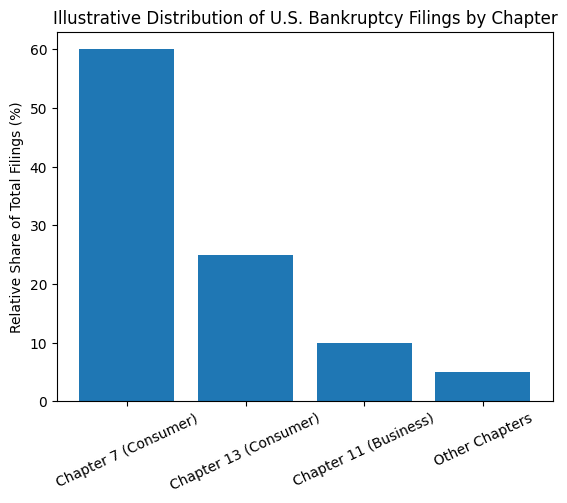
Bankruptcy filings remain an important economic indicator, reflecting financial stress among individuals and businesses. According to data from the U.S. Courts, which tracks bankruptcy cases filed in federal bankruptcy courts across the country, consumer bankruptcies comprise a large share of total filings, with individuals commonly seeking relief under Chapters 7 and 13.
Business bankruptcies, typically filed under Chapter 11, represent a smaller but significant portion of total cases, especially in sectors impacted by economic downturns or shifts in market conditions. The federal judiciary publishes regular reports showing trends in case types, geographic distribution, and filing volumes, illustrating how financial pressures influence bankruptcy activity nationwide.
Warren Bankruptcy FAQs
Your Warren, MI bankruptcy lawyer can help you find a way forward, and can help you regain your financial confidence. At Gudeman & Associates, P.C., we’ve helped thousands of clients throughout southeast Michigan, and our full service legal solutions cover bankruptcy, business law, estate planning, and more. We’re ready to use our experience to help you. Read on to get some answers to common bankruptcy questions.
How Do I Start The Process Of Filing For Bankruptcy?
Starting the process of filing for bankruptcy begins with assessing your financial situation. This includes listing all debts, assets, income, and expenses. The next step is to seek legal counsel to help determine which type of bankruptcy (Chapter 7 or Chapter 13) is most suitable for your situation. Your Warren bankruptcy lawyer will guide you through the necessary paperwork and represent you in court proceedings, helping you to compile all required documentation and fill out the bankruptcy petition that will be submitted to the court.
What Types Of Debt Are Dischargeable Through Bankruptcy?
Many types of debt can be discharged through bankruptcy, providing a fresh start to debtors. These typically include credit card debt, medical bills, personal loans, and other unsecured debts. However, there are several types of debts that are not dischargeable, such as student loans, child support and alimony obligations, certain tax debts, and debts incurred through fraudulent activities.
What Should I Do If My Vehicle Has Been Repossessed?
If your vehicle has already been repossessed, it’s important to act quickly. In some cases, filing for bankruptcy can potentially help in recovering your vehicle. Filing for bankruptcy initiates an automatic stay that temporarily stops all collection activities, including repossession. This can give you time to negotiate with the lender or create a plan to repay the arrears under a Chapter 13 bankruptcy filing.
How Long Does A Typical Bankruptcy Case Take?
The duration of a bankruptcy case can vary depending on the type of bankruptcy filed. A Chapter 7 bankruptcy, which involves liquidating assets to pay off creditors, typically takes about three to six months to complete. A Chapter 13 bankruptcy, which sets up a repayment plan, usually lasts between three to five years, depending on the terms set by the court.
How Does Bankruptcy Affect Future Credit And Loans?
Filing for bankruptcy does impact your credit score and will appear on your credit report for seven to ten years, depending on whether you file Chapter 7 or Chapter 13 bankruptcy. While this may initially lower your credit score and affect your ability to obtain new credit, over time, as you build back your financial stability, you can improve your credit score. Many individuals can start rebuilding credit shortly after bankruptcy by adopting sound financial practices, such as securing a secured credit card, making timely payments, and keeping debt levels low.
Bankruptcy Law Glossary
If you’re looking for legal guidance from a Warren, MI bankruptcy lawyer, it’s important to understand the legal terms that often arise during the process. This glossary provides clear explanations of key bankruptcy terms to help you better understand the legal and financial aspects of filing for bankruptcy. Whether you’re exploring Chapter 7 or Chapter 13, or dealing with credit reporting concerns, having accurate information helps us move forward together with clarity and confidence.
Means Test
The means test is a financial assessment used to determine whether a debtor qualifies for Chapter 7 bankruptcy. It evaluates income, household size, and allowed expenses, comparing the debtor’s income to the median income for a similar household in Michigan. If the debtor’s income falls below the median, they may be eligible for Chapter 7. If it’s above, additional calculations are required to determine disposable income. The purpose of this test is to prevent abuse of the bankruptcy system by ensuring that those who can repay their debts do not use Chapter 7 to avoid doing so. A Warren, MI bankruptcy lawyer can walk you through each step of this evaluation.
Automatic Stay
An automatic stay is an immediate court order that halts most collection actions once a bankruptcy case is filed. This includes wage garnishments, foreclosure proceedings, eviction efforts, and creditor harassment. The automatic stay remains in effect during the bankruptcy process, giving the debtor relief from immediate financial pressures. However, in certain cases—such as multiple filings or secured debts—the stay may be shortened or lifted by court motion. For residents in Warren, MI, this legal protection offers breathing room to evaluate their financial options and take steps toward recovery.
Dischargeable Debt
Dischargeable debt refers to obligations that can be legally eliminated through the bankruptcy process. In Chapter 7 and Chapter 13 cases, common dischargeable debts include credit card balances, personal loans, utility bills, and medical expenses. These debts are wiped out at the conclusion of a successful bankruptcy, meaning the debtor is no longer legally required to pay them. However, not all debts qualify—student loans, recent taxes, and domestic support obligations usually remain. Knowing what debts qualify for discharge is essential when determining whether bankruptcy is an effective option.
Chapter 13 Repayment Plan
A Chapter 13 repayment plan is a structured schedule that allows debtors to pay off some or all of their debts over a period of three to five years. This type of bankruptcy is suited for individuals with a stable income who wish to retain their property while catching up on secured debts like mortgages or car loans. The plan must be approved by the court and is based on income, expenses, and the type of debts owed. Successful completion of the plan can result in the discharge of remaining unsecured debts. Working with a Warren, MI bankruptcy lawyer helps create a realistic and court-accepted plan tailored to your circumstances.
Credit Rebuilding Post-Bankruptcy
Credit rebuilding post-bankruptcy refers to the intentional steps taken to improve one’s credit standing after a bankruptcy discharge. While filing for bankruptcy can significantly reduce a credit score, it also provides an opportunity for a financial reset. Individuals can begin rebuilding by paying remaining obligations on time, using secured credit cards responsibly, and applying for credit builder loans. It’s also important to regularly check credit reports for errors or outdated information. A consistent effort can result in improved creditworthiness in just a few years. For many in Warren, MI, rebuilding credit is a key step toward long-term stability.
In any financial decision involving bankruptcy, reliable legal counsel matters. At Gudeman & Associates, P.C., we’re committed to helping you evaluate your options and move toward a more stable future with practical legal support.
Let’s talk about your next steps. Contact us today to schedule a consultation with a Warren, MI bankruptcy lawyer who will help you take action toward your financial goals.
Contact Us Today
Understanding the nuances of bankruptcy is key to making informed decisions about your financial future. At Gudeman & Associates, P.C., we are dedicated to helping our clients through these challenging times with respect and professionalism. Reach out to us today, and see what a Warren bankruptcy lawyer from our office can do for you.