Trusted special needs planning attorneys serving Troy, MI and surrounding Oakland County communities for over 45 years.
Planning for a family member with a disability requires a different approach than standard estate planning. The wrong structure can disqualify a loved one from government benefits they depend on. If you need a Troy, MI special needs planning lawyer, Gudeman & Associates, P.C. has worked with Michigan families to protect disabled loved ones through carefully structured plans for over four decades. Contact us to schedule a consultation.
Special Needs Planning Attorney Troy, MI
Special needs planning is the process of arranging your finances and estate in a way that provides for a disabled loved one without jeopardizing their eligibility for government benefit programs like Medicaid and Supplemental Security Income. Those programs have strict asset limits.
A Troy special needs planning attorney helps families think through these issues carefully and put the right legal structures in place. The goal is to improve the quality of life for the person with disabilities while preserving the benefits they rely on.
Types of Special Needs Planning Matters We Handle in Troy
Special needs planning encompasses several distinct legal tools and strategies. We work with Troy families across all of the following areas.
- First-party special needs trusts. Also called self-settled trusts, these are funded with assets belonging to the person with disabilities, such as a personal injury settlement or an inheritance already received. They allow the beneficiary to retain those assets while remaining eligible for means-tested benefits.
- Third-party special needs trusts. Funded by family members rather than the beneficiary, a third-party special needs trust allows parents, grandparents, and other relatives to leave assets for a disabled loved one without affecting their benefit eligibility. This is typically the primary planning vehicle for families providing for a child or sibling with disabilities.
- Trust administration for special needs trusts. A special needs trust requires careful ongoing administration. Distributions must be structured to supplement, not replace, government benefits. We advise trustees on how to make appropriate distributions and fulfill their obligations under the trust.
- Wills with special needs provisions. A standard will that leaves assets outright to a beneficiary with disabilities can inadvertently disqualify them from benefits. We draft wills that direct assets into a special needs trust rather than to the beneficiary directly.
- Powers of attorney and guardianship planning. As a parent or caregiver ages, planning for who will make decisions for the person with disabilities becomes critical. We assist families in putting the right legal authority in place, whether through powers of attorney, conservatorship, or other arrangements.
- Letter of intent. While not a legal document, a letter of intent provides future caregivers and trustees with detailed guidance about the disabled person’s needs, preferences, routines, and care requirements. We help families understand how this fits into the broader plan.
- Benefit preservation planning. Families sometimes take actions — making gifts, adding someone to an account, or leaving an inheritance — without realizing the impact on benefit eligibility. We help families assess their current situation and correct problems before they affect the person with disabilities.
- Medicaid planning. For families where the disabled person is approaching adulthood or experiencing a change in circumstances, Medicaid eligibility planning is often part of the broader special needs planning conversation. We help families understand how assets need to be structured to preserve eligibility.
Why Choose Gudeman & Associates, P.C. for Special Needs Planning in Troy, MI?
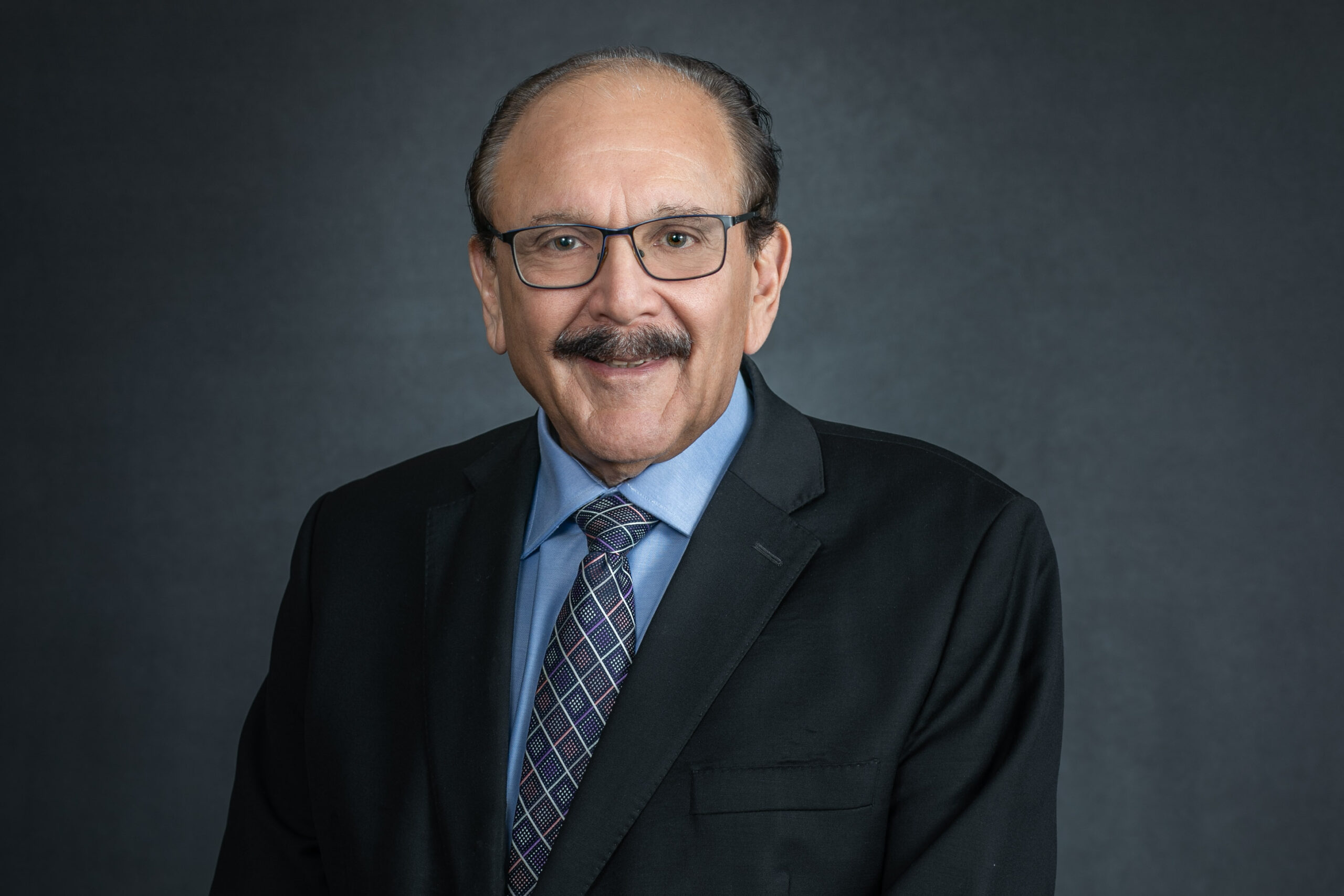
Edward J. Gudeman’s Credentials and Background
Edward J. Gudeman is the founder and managing attorney of Gudeman & Associates, P.C. He earned his Juris Doctor from the University of Michigan Law School in 1971 and has been licensed to practice in Michigan since 1973. His admissions include the United States Tax Court and the U.S. Supreme Court. Before opening his own firm, he worked in the tax department at Arthur Andersen in Detroit.
Special needs planning sits at the intersection of estate planning, tax law, and government benefits law. For Troy families looking for a special needs planning attorney in Troy, that breadth of background across all three areas is directly relevant to getting the planning right.
Over 45 Years Serving Michigan Families
Gudeman & Associates, P.C. has focused on estate planning and related areas of law for over 45 years. Mr. Gudeman has been a member of the State Bar of Michigan since 1973 and has worked with thousands of Michigan families, including those navigating the particular challenges that come with planning for a loved one with disabilities. He graduated from Miami University in Oxford, Ohio in 1968 before going on to law school and is the proud father of three children, including a set of twins. The firm is recognized in the Super Lawyers directory for its work serving Michigan clients.
Understanding Special Needs Planning in Troy
Key Special Needs Planning Documents and Strategies
Special needs planning typically involves several components working together. The right combination depends on the family’s circumstances, the nature of the disability, and what assets are involved.
- Third-party special needs trust. The foundational document in most special needs plans. Funded by family members and managed by a trustee, it holds assets for the benefit of the disabled person without counting against benefit eligibility limits.
- Pour-over will. Directs any assets not already in the trust to flow into it at the grantor’s death, preventing an inadvertent outright distribution to the beneficiary.
- Beneficiary designation review. Life insurance policies, retirement accounts, and other assets with named beneficiaries can unintentionally pass directly to the person with disabilities. Designating the special needs trust as beneficiary instead protects eligibility.
- Letter of intent. A practical document that gives future trustees and caregivers guidance on the disabled person’s daily needs, medical requirements, preferences, and wishes.
- Guardianship or conservatorship documents. For individuals who lack legal capacity, formal court-appointed authority may be necessary for certain decisions.
Important Aspects of Special Needs Planning
Several considerations consistently affect how special needs plans are structured and whether they achieve their goals.
- Government benefit rules change. Medicaid and SSI eligibility rules are set at both the federal and state level and can change. A plan that works today needs to be reviewed periodically to make sure it still functions as intended.
- Trustee selection matters enormously. The trustee of a special needs trust carries significant responsibility. They must understand how to make distributions that supplement benefits without replacing them. A poorly managed trust can cause the same benefit disruption the trust was designed to prevent.
- Coordination with other family members. Grandparents, aunts, uncles, and siblings sometimes make gifts or leave assets to a person with disabilities without realizing the impact. A special needs plan needs to account for the family’s broader giving and inheritance patterns.
- Transition planning. When a disabled child reaches adulthood, significant changes occur in terms of benefit eligibility, legal decision-making authority, and available services. Planning for that transition should begin well in advance.
Special Needs Planning Timeline
Special needs planning is not a one-time event. The process involves several stages and ongoing attention over time.
- Initial consultation to assess the disabled person’s needs, current benefit situation, and family circumstances
- Review of existing estate planning documents and beneficiary designations for potential benefit eligibility issues
- Drafting of the special needs trust and related documents
- Signing and execution of all documents
- Funding the trust and updating beneficiary designations as needed
- Periodic review as benefit rules change, family circumstances evolve, or the disabled person’s needs shift
Families often find that special needs planning raises questions they hadn’t considered before. We work through those questions carefully and make sure the plan reflects both the legal requirements and the family’s actual goals for their loved one.
What to Bring to Your Special Needs Planning Consultation
Preparing a few key pieces of information before your first meeting helps us give you specific and useful guidance.
- Information about the disabled person’s diagnosis, current living situation, and daily care needs
- A general picture of the family’s assets and how they are currently titled
- Information about any government benefits the disabled person currently receives, including Medicaid and SSI
- Copies of any existing estate planning documents, including wills, trusts, and powers of attorney
- A list of family members who may also leave assets to the disabled person, such as grandparents or siblings
We’ll use the first meeting to understand the full picture and help you identify what needs to be done and in what order.
Michigan Legal Resources for Special Needs Planning
- Social Security Administration — SSI Program: Federal guidance on Supplemental Security Income eligibility and asset limits relevant to special needs planning.
- Michigan Medicaid: Information on Michigan Medicaid eligibility and asset rules relevant to benefit preservation planning.
- Michigan Probate Court Forms: Official forms for guardianship, conservatorship, and trust proceedings relevant to special needs planning matters.
- Michigan Advance Directive Resources: State guidance on powers of attorney relevant to planning for decision-making authority over a person with disabilities.
- U.S. Department of Labor — Benefits Information: Federal guidance on retirement account beneficiary designations relevant to coordinating special needs plans with existing retirement assets.
Schedule a Consultation With Gudeman & Associates, P.C.
Gudeman & Associates, P.C. has worked with Troy families and individuals throughout Oakland County for over 45 years. If you’re planning for a loved one with disabilities and need guidance on where to start, contact our office to schedule a consultation with a Troy special needs planning lawyer.